



Quick Access
Latest News
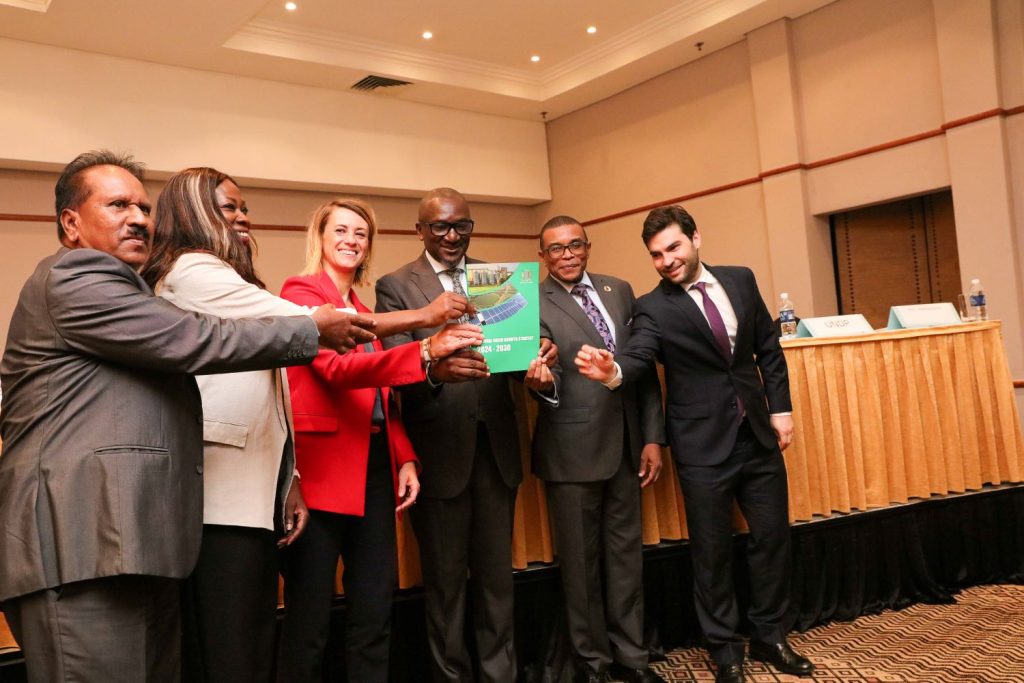
COMESA Supports Zambia Launch its Green Growth Strategy
Lusaka, Wednesday, April 24, 2024: The Government of Zambia, in collaboration with COMESA and various development partners, has launched the National Green Growth Strategy (GGS). This strategy aims to drive[…]
Read more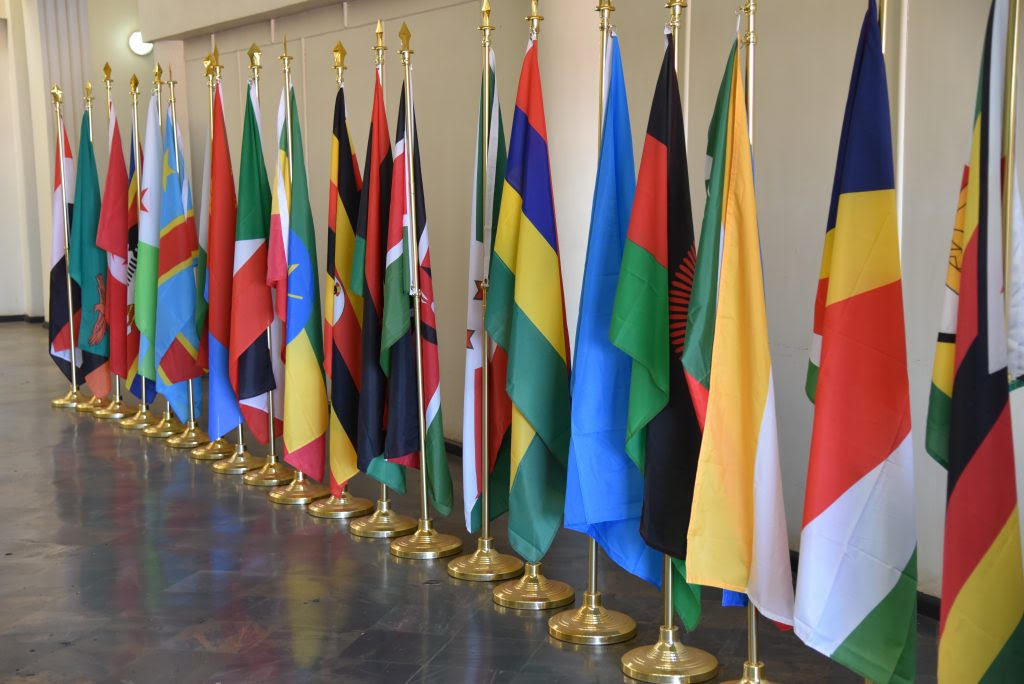
COMESA Begins Implementing Trade Remedies Regulations
Lusaka, Wednesday, April 24, 2024: COMESA has begun the comprehensive implementation of its Trade Remedies Regulations, aimed at recommending measures to prevent potential losses that its Member States might incur due[…]
Read more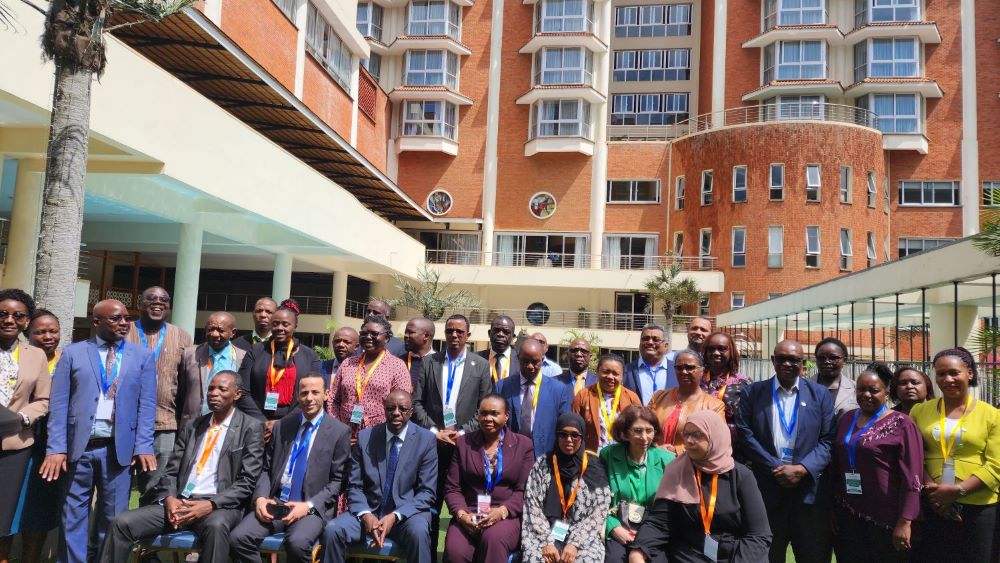
Step towards harmonized agricultural policies and regulations
Nairobi, Kenya, 23 April 2024: COMESA is currently hosting a stakeholders’ workshop on Sanitary and Phytosanitary (SPS) measures from 22-30 April 2024 in Nairobi, Kenya. Attended by sector specialists from[…]
Read more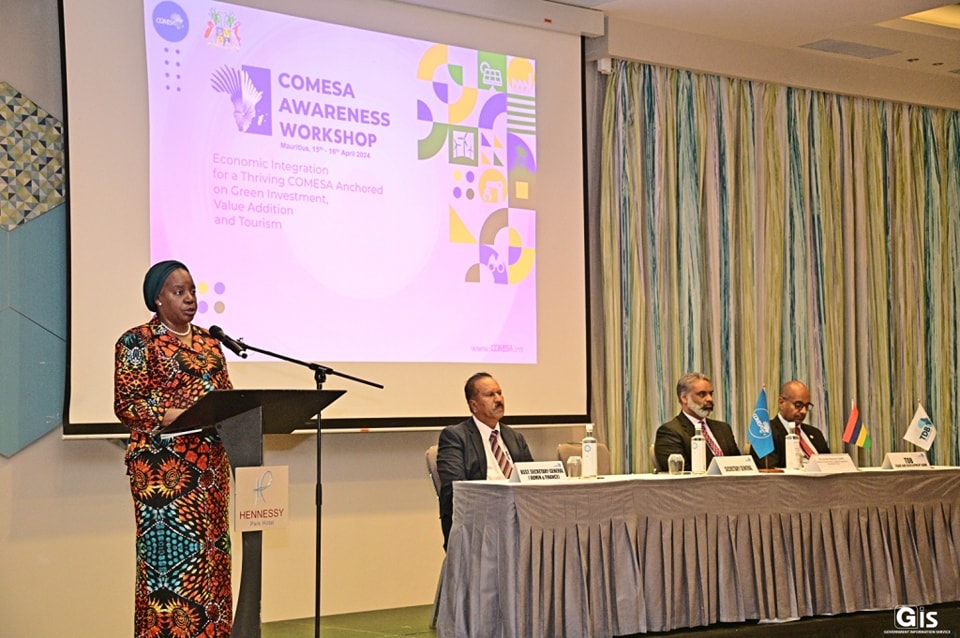
COMESA Institutions Hold Awareness Forum in Mauritius
The first joint awareness Forum for the 12 COMESA institutions, was conducted in Port Louis, Mauritius on 15 – 16 April 2024, attended by over 120 local and international delegates.[…]
Read more LATEST PUBLICATIONS
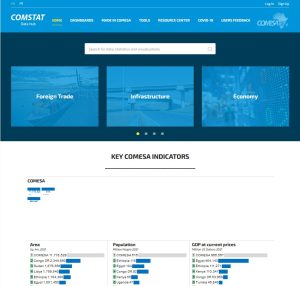 COMSTAT DATA HUB
Overview of COMESA
The history of COMESA began in December 1994 when it was formed to replace the Preferential Trade Area (PTA) which had existed from the earlier days of 1981. COMESA (as defined by its Treaty) was established…
LEARN MORE
COMESA INSTITUTIONS
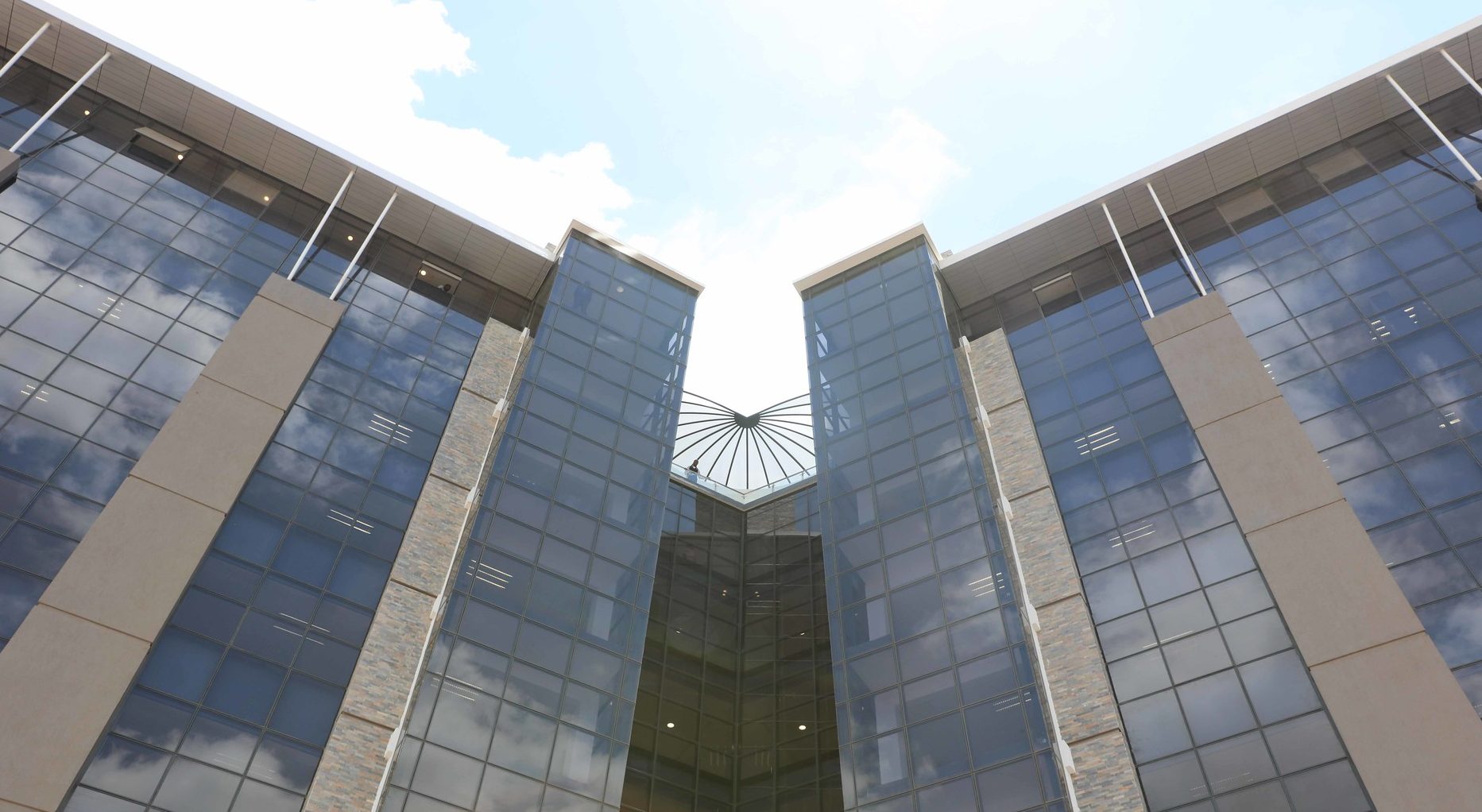
An integral component of the COMESA success narrative has been its institutions. These are needs-based and respond to very specific niches in the region. In addition to providing expertise in specific areas, the institutions are involved in skills development and extensive market research that allows them to link evidence to their decision-making processes. To support the integration program, COMESA has established financial institutions to provide not just the much needed credit (the Trade and Development Bank), but also to provide insurance for non-commercial risks (the African Trade Insurance Agency), re-insurance (ZEP-Re (PTA) Reinsurance Company) and to facilitate international payments (the Regional Payment and Settlement System), and to underpin competition in the region (the COMESA Competition Commission).
LEARN MOREOur Programmes
The Common Market for Eastern and Southern Africa (COMESA) comprises 21 African Member States that came together with the aim of promoting regional integration through trade and the development of natural and human resources for the mutual benefit of all people in the region.
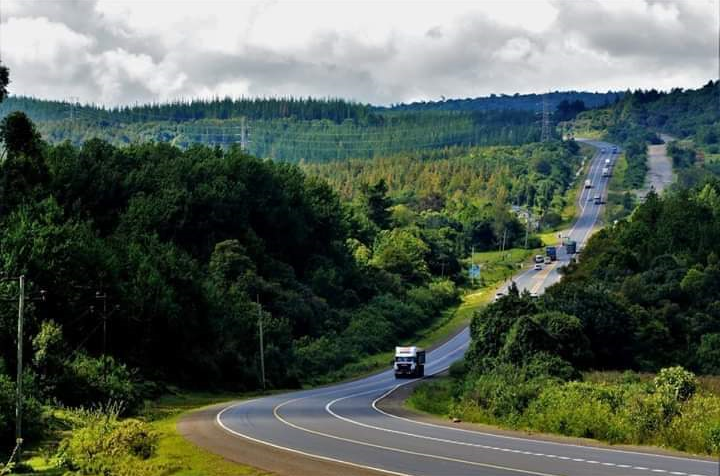
Infrastructure Development
COMESA has recognized infrastructure development as a priority and strategic focus area that requires…
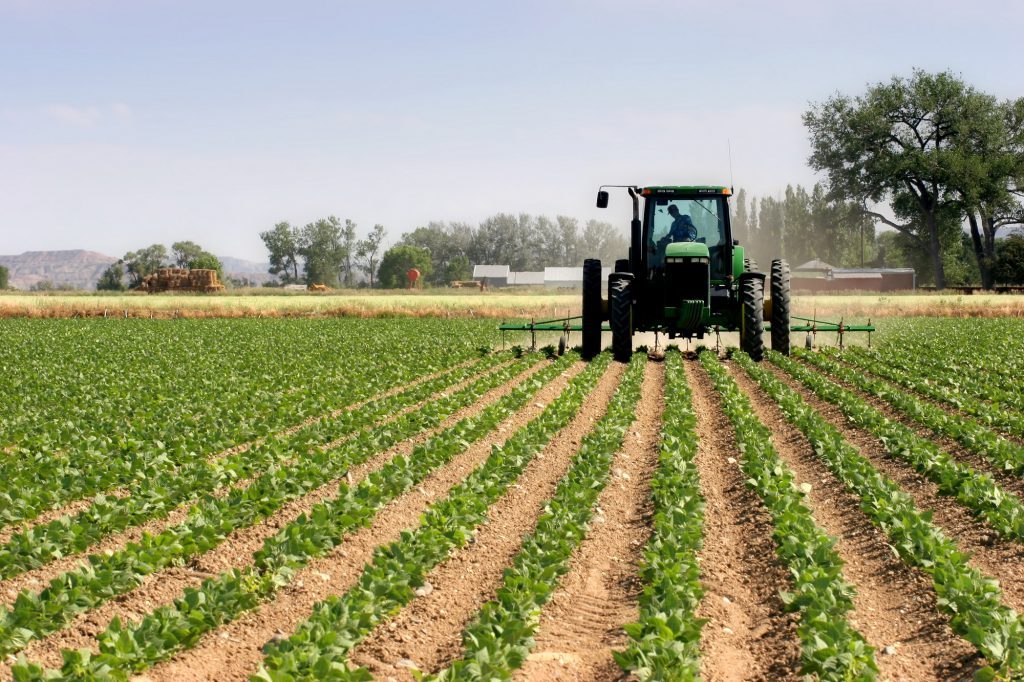
Agriculture, Industry & Private Sector Development
The Mandate of the Industry and Agriculture Division is to promote development of….
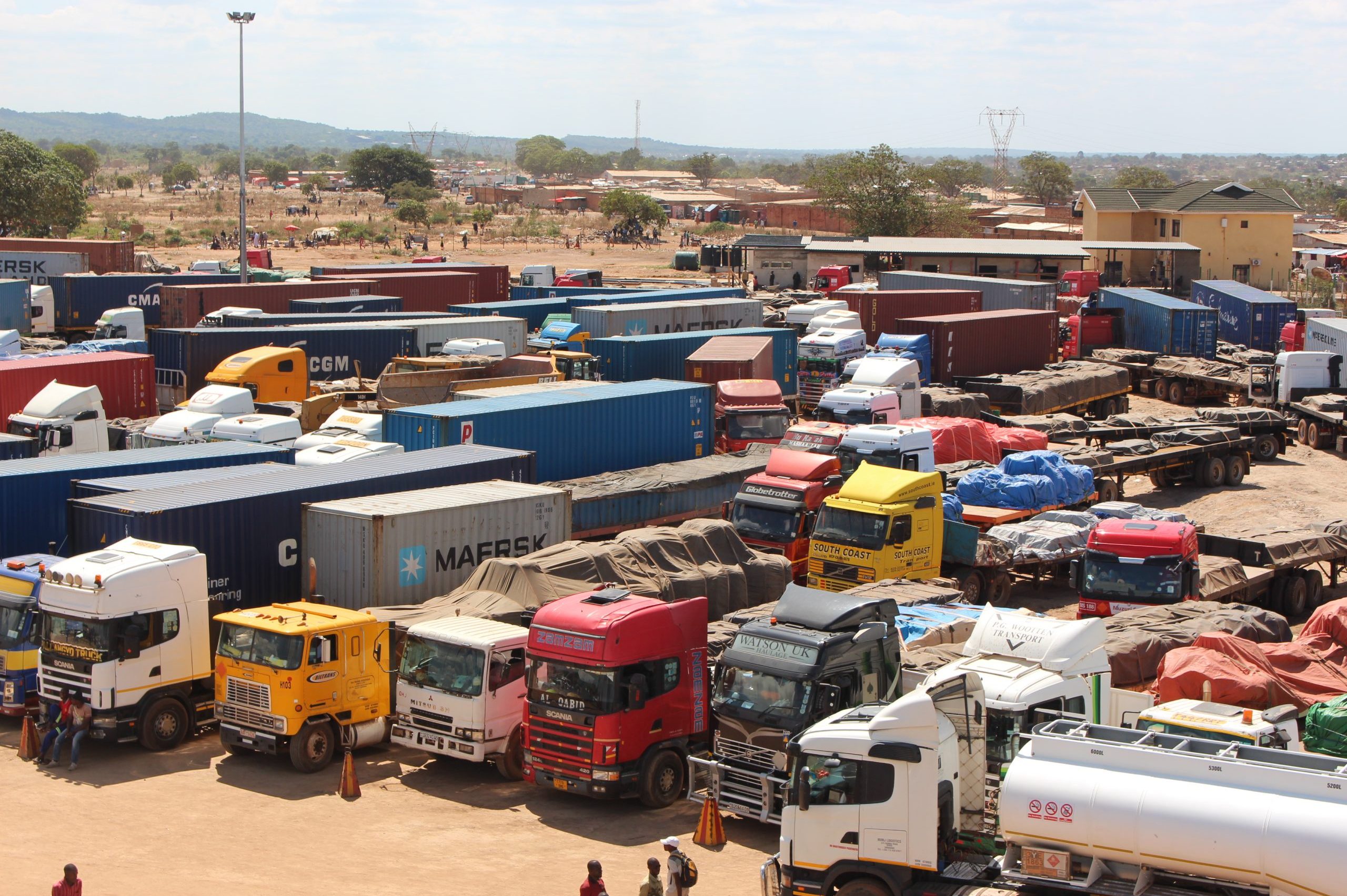
Trade & Customs Services
The main function of the division is to implement programmes to enhance cooperation in Trade…
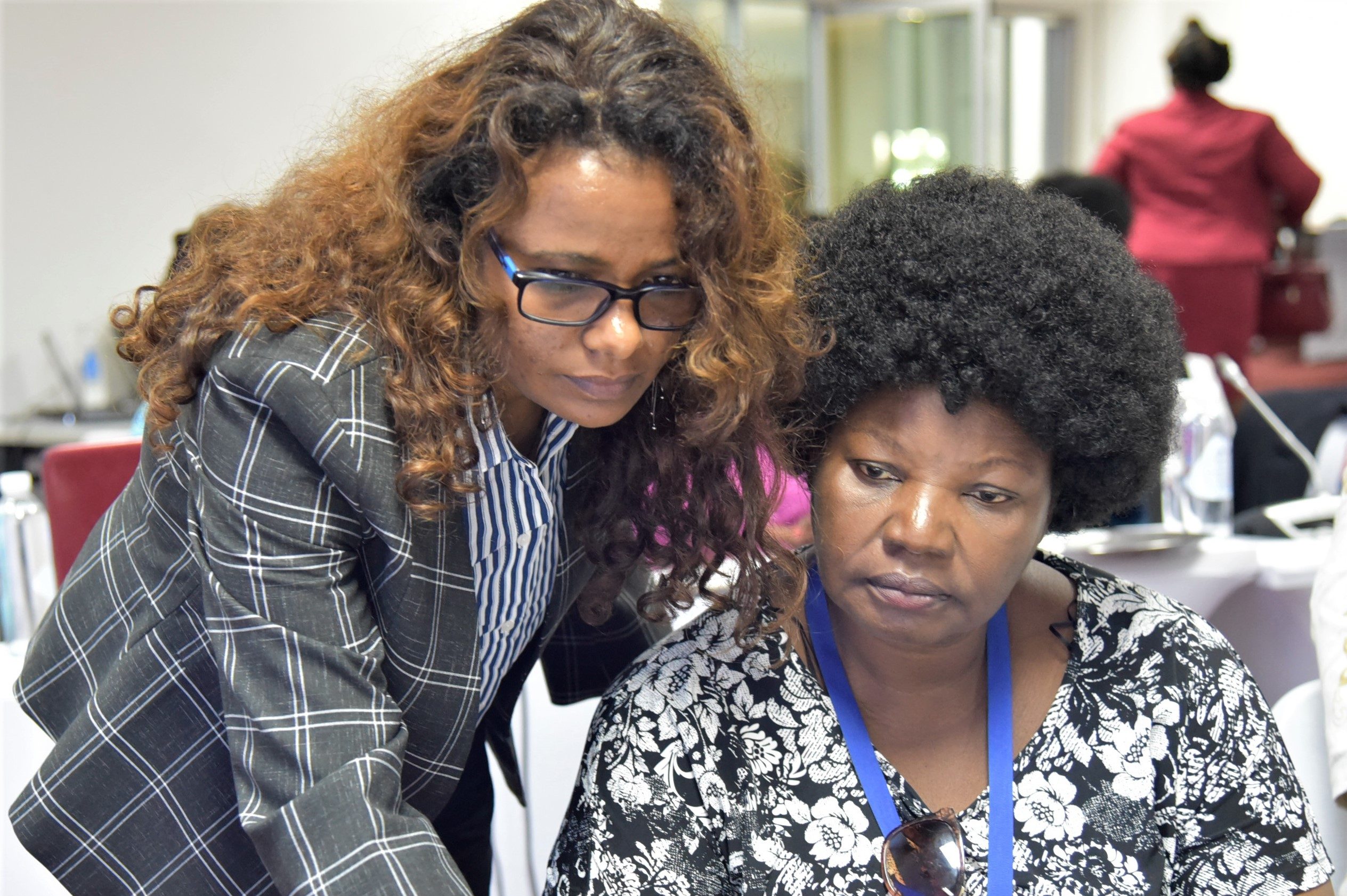
Gender & Social Affairs
The Gender and Social Affairs Division in the COMESA Secretariat exists to promote and provide leadership…..
COMESA, Briefly
A documentary on the key milestones and achievements in the COMESA regional integration agenda, focusing on four strategic pillars: market integration, physical connectivity, productive integration and gender and social integration.
Development Partners


Contact us
This post is also available in: العربية (Arabic) Français (French)